How To Manage Money When You're Always Short on Time
 Mildred Dillon CPA

In this post, Mildred Dillon CPA shares the framework that helped her get financial clarity quickly after the 2008 Recession - without spreadsheets.
More Month Than Money? Here's How I Fixed It
Have you ever felt like your bank account disappears before the month even ends? I've been there. Back in 2008, during the credit crunch, my finances fell apart almost overnight. Out of that experience, I built a weekly money routine that helped me save $20,000 in 18 months — and I want to walk you through it, because if it worked for me starting from zero, I believe it can work for you too.
Prefer to Listen to The Podcast Episode?
The Financial Crisis That Rebuilt Me
In 2008, my credit lines got slashed without warning. Here's the part that really stung: my "available credit" had basically been standing in for real savings the whole time. I wasn't a saver — I didn't think I needed to be, because I always had credit to fall back on. When that disappeared, so did my safety net.
I was a 1099 contractor, a CPA working for clients, with no employer and no steady paycheck. I needed clarity fast, without the time or bandwidth to build detailed spreadsheets I wasn't getting paid for. So I built something simple I could repeat every week — a system for managing money as an entrepreneur with irregular income.
If you're feeling like you need clarity minute-to-minute rather than waiting for some monthly budget to kick in, I want you to know: it gets better. Here's how.
Step 1: Pick One Time a Week for Money Matters
The first thing I want you to do is find one time each week to deal with your money — not every day. Trying to face your finances daily is exhausting, especially if you're budgeting with irregular income and juggling client calls, networking, and everything else that brings money in.
For me, it was either early Monday morning or a Friday close-out, depending on the week. I'd sit down and face it all at once.

Here's why this matters: I had 25 years of perfect credit, and then, almost overnight, I had more month than money. That's how fast things can change. It's also why I'm such a believer in financial reserves for the self-employed — your job's stability isn't your investment, it's someone else's. Companies run the numbers, and when times get tight, payroll is often the first thing cut. That's not personal, it's just math — but it means you need to protect yourself on your end too.
Step 2: Give Your Bills One Dedicated Place
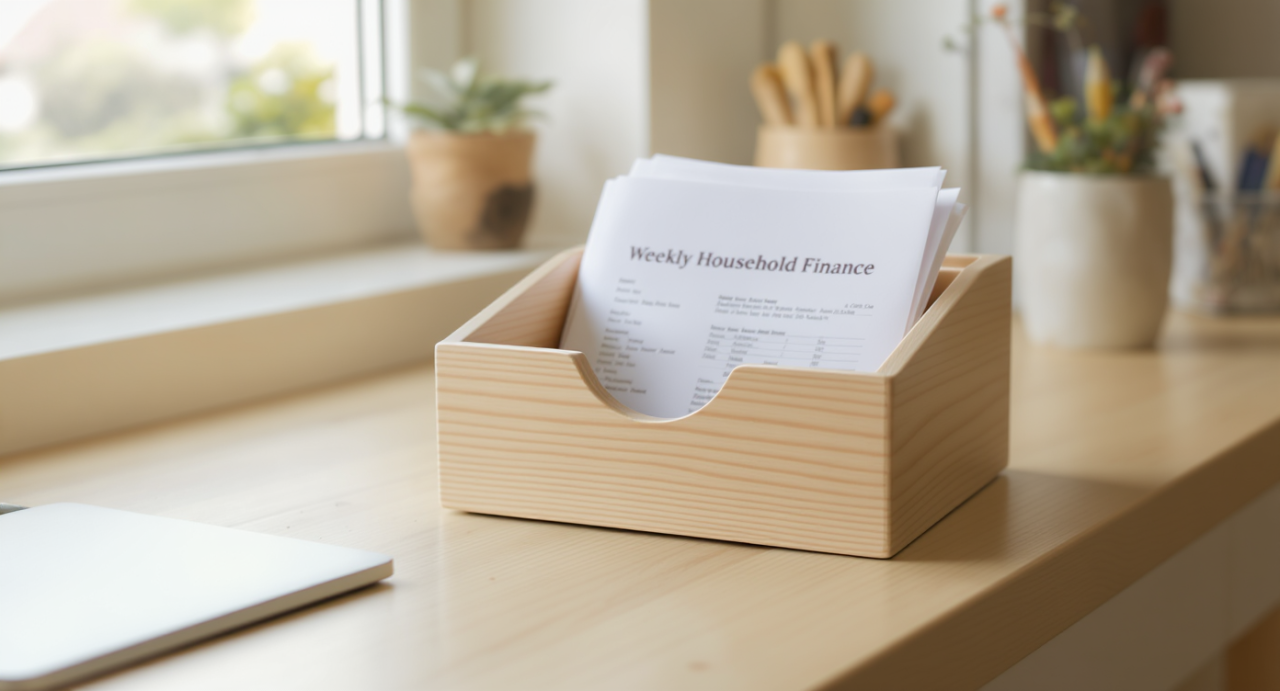
Once you've picked your time, you need a place — a single spot where all your money matters live until you're ready to deal with them.
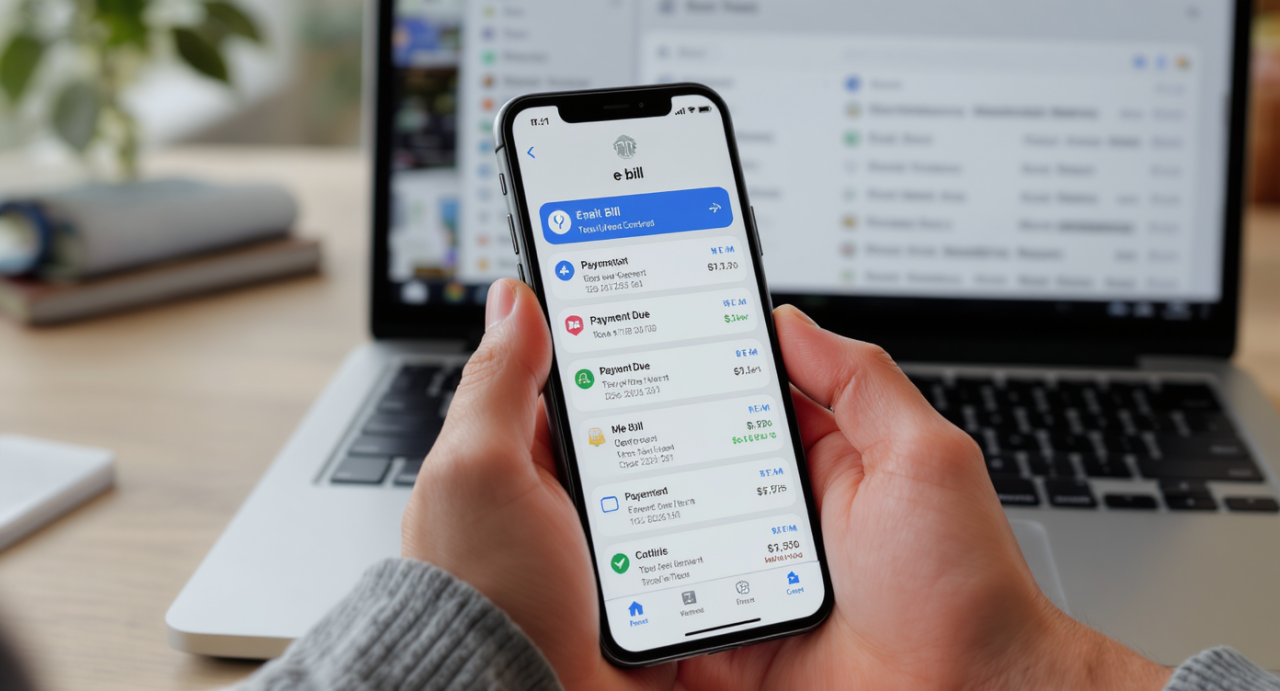
Most of us aren't getting much physical mail anymore; our bills live in our inboxes as e-bills and notifications. That's actually trickier, because every time you check email for work, you're also hit with reminders from creditors and subscription renewals.
My advice for organizing bills without paper mail: get a separate email account just for anything money-related. Your email is effectively your mailbox now, so treat it like one — keep the money stuff separate from the noise of your regular inbox. Whatever your version of "the drawer" is, digital or physical, the goal is the same: get it out of your daily field of vision until your scheduled time.
Step 3: Face It All at Once
When something financial comes in, don't open it right away. Drag it to the folder, drop it in the drawer, and save it for your scheduled time.
I know that goes against instinct. But your time and focus are valuable, and you already know you have a date on the calendar to deal with it. When that day comes, open everything together, look at the totals, and decide what actually needs attention that week.
Most of what feels urgent in the moment isn't that critical once you actually sit down and look at it clearly. Batching this way protects your energy so a random bill notification doesn't derail your whole day. I even turn off notifications during meetings and planning time — I need it on the calendar instead, with reminders if needed, so nothing hijacks my focus.
Put Money in Its Place
Put money in its place. It's important — high up on your list of priorities — but it belongs in its own time and space, faced all at once, not scattered across every hour of your day. When you do that, you're in control, instead of your inbox controlling you.
Frequently Asked Questions
How often should I check my bank account?
Once a week is plenty for most people — daily checking often creates stress without giving you new information to act on.
How do I stop feeling overwhelmed by bills?
Batch them. Don't open anything as it arrives; collect it in one place and review it all during one scheduled sitting each week.
What's the best day for a weekly money check-in?
Whatever fits your schedule and energy — early Monday morning or a Friday close-out both work well. Consistency matters more than the specific day.
How much should I keep in a financial reserve as a self-employed person?
There's no one-size-fits-all number, but the goal is enough to cover a gap in income without relying on credit.
How do I manage bills if I don't get paper mail anymore?
Set up a dedicated email account just for financial and credit-related messages so they don't get lost in your regular inbox.
Let's Talk
You don't have to face this alone. Let's hop on a call and see what options (paper or tech or a hybrid) are the best fit for you.
Book a 30-minute strategy call here:

Got a Story of Faith? I'd Love to Have You on the Show
If you've got your own story of resilience, I'd love to hear it. I'm currently booking interviews for the podcast — reach out for an application link and share your story of faith and finance with our community.
Thank you for reading. I hope this helps you face your week with more clarity and confidence.
Categories: : Financial Planning, Organization Strategies, Personal Finance